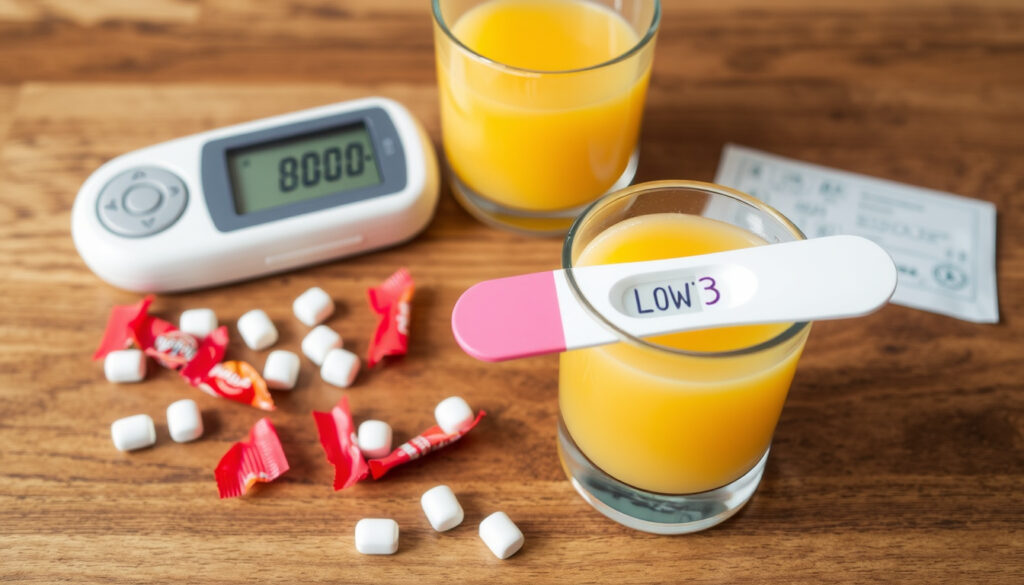
Signs of Low Blood Sugar: Symptoms, Causes & Treatment
That wobbly, light-headed feeling before lunch often gets dismissed—but it can signal low blood sugar even in people without diabetes. Here’s how to spot the signs, what might cause them if you’re not diabetic, and when to take action.
Common Early Signs: feeling hungry, dizzy, anxious · Severe Symptoms: confusion, dizziness, fast heartbeat · Treatment Rule: 15-15 rule (15g carbs, wait 15 min)
Quick snapshot
- Shaking and sweating are hallmark early signs (NCBI StatPearls)
- Below 55 mg/dL confirms hypoglycemia in non-diabetics (NCBI StatPearls)
- Exact prevalence rates for non-diabetic hypoglycemia vary by study
- Long-term outcomes for untreated non-diabetic cases lack robust data
- Whipple’s triad remains the diagnostic standard for confirming true hypoglycemia
- Post-bariatric hypoglycemia recognized more widely since the 2000s
- Reactive hypoglycemia may signal higher diabetes risk ahead
- Medical evaluation recommended if symptoms recur
| Label | Value |
|---|---|
| Normal Fasting Range | 70–99 mg/dL |
| Low Threshold (Non-Diabetics) | Below 55 mg/dL |
| Severe Hypoglycemia | Below 54 mg/dL |
| Treatment Carb Dose | 15 grams fast-acting |
| Recheck Interval | 15 minutes after treatment |
| Top Medical Sources | NHS, Mayo Clinic, CDC, NCBI |
How do you know if you have low blood sugar?
Hypoglycemia announces itself through a cluster of symptoms that tend to show up together. The body releases adrenaline when glucose drops too low, triggering a cascade of warning signals meant to push you toward food.
Early warning signs
- Feeling hungry, even shortly after a meal
- Shakiness or tremors in the hands
- Sweating without exertion
- Dizziness or lightheadedness
- Anxiety or nervousness
These symptoms reflect the body’s sympathetic nervous system firing in response to falling glucose levels, according to NCBI StatPearls (authoritative medical reference).
Severe symptoms
- Confusion or difficulty thinking clearly
- Fast heartbeat or heart palpitations
- Blurred vision
- Slurred speech
- Clumsiness or loss of coordination
When hypoglycemia goes untreated, symptoms can escalate to seizures or loss of consciousness. The NCBI StatPearls notes that prolonged hypoglycemia can cause permanent neurological damage.
Symptoms in non-diabetics
Non-diabetic hypoglycemia is uncommon in adults without diabetes, but it does occur, according to NCBI StatPearls. The symptoms mirror those seen in diabetics—shaking, sweating, confusion—but the underlying causes differ.
The pattern to watch: symptoms appear, blood glucose is measured low, and symptoms resolve when glucose is raised. This three-part check is called Whipple’s triad, and it’s how clinicians confirm true hypoglycemia.
Whipple’s triad requires three conditions: the person has symptoms consistent with hypoglycemia, blood glucose measures below 55 mg/dL at the time of symptoms, and symptoms resolve when glucose is restored.
What are 10 warning signs of low blood sugar?
Low blood sugar produces a recognizable symptom cluster. These signs range from mild to severe, and they tend to escalate if food isn’t consumed.
Mild signs
- Hunger, even after eating
- Shakiness or trembling
- Sweating without obvious cause
- Tiredness or fatigue
- Nausea
The Mayo Clinic confirms dizziness and tingling around the lips also commonly appear in mild hypoglycemia.
Moderate signs
- Nervousness or anxiety
- Heart palpitations
- Irritability or mood swings
- Blurred vision
- Difficulty concentrating
Advanced signs
- Confusion or disorientation
- Slurred speech
- Loss of coordination
- Seizures
- Loss of consciousness
Advanced symptoms mean the brain is being starved of glucose. At this stage, the person may not be able to self-treat and will need help, according to Nutrisense (health research platform).
The implication: recognizing mild-to-moderate signs early gives you a window to act before symptoms become dangerous.
Can you have low blood sugar without diabetes?
Yes—but it’s far less common than in people with diabetes. When hypoglycemia shows up outside of diabetes, the causes fall into two broad categories: reactive and fasting.
Causes in non-diabetics
- Missed meals or prolonged fasting
- Unplanned or excessive exercise
- Alcohol consumption, especially on an empty stomach
- Certain medications (beta-blockers, quinolone antibiotics, quinine)
- Organ disorders (liver disease, kidney disease, hepatitis)
The Healthline (established health publication) notes that nonreactive hypoglycemia stems from medications, alcohol, organ disorders, eating disorders, or pregnancy.
Morning lows
Waking up with low blood sugar can happen after prolonged overnight fasting. People who skip breakfast or who have conditions like anorexia nervosa are particularly vulnerable. The Mayo Clinic links anorexia nervosa to long-term starvation hypoglycemia.
Risk factors
- Post-bariatric surgery (rapid food transit)
- Nesidioblastosis (islet cell hyperplasia)
- Insulinoma (benign pancreatic tumor)
- Hormone deficiencies (adrenal or pituitary disorders)
- End-stage renal disease
The UK Government NIDirect guidance lists reactive hypoglycemia from large carb meals, binge drinking, gastric bypass, Addison’s disease, and insulinoma as causes in non-diabetic populations.
Non-diabetic hypoglycemia is uncommon, but when it does occur, it often signals an underlying medical issue that warrants investigation rather than simple dietary adjustment.
How to raise blood sugar level?
The standard response to hypoglycemia follows a simple, evidence-based protocol. Quick-acting carbohydrates are the first step.
The 15-minute rule
- Consume 15 grams of fast-acting carbohydrates
- Wait 15 minutes
- Recheck blood glucose
- If still low, repeat the process
This CDC-endorsed protocol provides a reliable framework for stopping a hypoglycemic episode.
What to eat
- Glucose tablets or gel
- Fruit juice (4 ounces)
- Regular soda (half a can)
- Honey or sugar packets
- Hard candies (as needed)
The NHS recommends glucose tablets or fruit juice for rapid correction.
Follow-up steps
Once blood glucose stabilizes, eating a small snack or regular meal prevents another drop. The Mayo Clinic advises eating a full meal if hypoglycemia persists.
The pattern: fast carbs first, then food to sustain. This two-step approach addresses the immediate emergency and reduces recurrence risk.
What conditions can mimic the symptoms of hypoglycemia?
Not every case of shaking or dizziness means low blood sugar. Several other conditions produce similar symptoms.
Common mimics
- Anxiety (panic attacks share heart racing and shakiness)
- Dehydration (causes dizziness and fatigue)
- Salt deficiency
- Heat exhaustion
- Menopause (hot flashes and mood swings)
The Medical News Today (recognized health publication) lists these conditions as common hypoglycemia look-alikes that can fool both patients and clinicians.
When to seek help
- Symptoms recur multiple times
- Self-treatment doesn’t resolve symptoms
- Blood glucose readings don’t match symptoms
- Unexplained confusion or loss of consciousness
The distinction matters: true hypoglycemia requires symptoms plus documented low glucose plus symptom resolution with glucose restoration. If any part of that triad is missing, the cause likely lies elsewhere.
What level of low blood sugar is dangerous?
Blood glucose thresholds for non-diabetics sit lower than those used for diabetics. Knowing where the danger zones sit helps you respond appropriately.
Danger levels
- Below 55 mg/dL: Confirms hypoglycemia in non-diabetics (NCBI StatPearls)
- Below 54 mg/dL: Classified as severe hypoglycemia (CDC)
- Below 70 mg/dL: General threshold some sources use for non-diabetics (Medical News Today)
Sleep risks
Nocturnal hypoglycemia can occur without obvious warning signs. The brain may not wake in time to take action, making sleep-time lows particularly risky. NCBI StatPearls notes that prolonged untreated hypoglycemia can cause permanent neurological damage.
Fatal thresholds
Death from hypoglycemia in non-diabetics is rare but documented when underlying medical conditions go unrecognized or untreated. The exact threshold varies by individual, pre-existing conditions, and how quickly glucose drops.
Below 54 mg/dL, the brain begins losing the ability to self-correct. Confusion at this point means the person may not recognize their own condition or seek help—a medical emergency.
Clarity on what we know and what remains uncertain
Confirmed
- Below 55 mg/dL defines hypoglycemia in non-diabetics
- Shaking, sweating, hunger, confusion are core symptoms
- The 15-15 treatment rule works for rapid correction
- Non-diabetic causes include medications, alcohol, organ disorders
- Reactive hypoglycemia may signal higher diabetes risk
Uncertain
- Precise prevalence rates for non-diabetic hypoglycemia vary across studies
- Long-term outcomes for untreated non-diabetic cases lack robust data
- Autoimmune hypoglycemia post-surgery is still being characterized
What do medical authorities say
Hypoglycemia is frequently observed in patients with diabetes mellitus but is uncommon in patients without diabetes.
— NCBI StatPearls (Medical Researchers)
All patients should undergo evaluation and management who develop symptoms and/or signs of hypoglycemia (Whipple’s triad).
— NCBI StatPearls (Medical Researchers)
Reactive hypoglycemia may be an early sign that you’re at a higher risk of developing diabetes.
— Nutrisense (Health Researchers)
For most people, the practical takeaway is straightforward: mild symptoms respond to food, severe symptoms require urgent care, and recurrent episodes deserve medical evaluation. The stakes differ depending on whether you’re diabetic or not—but the warning signs are universal.
Related reading: What Does Heartburn Feel Like · How Much Magnesium Per Day
study.com, cfpphysiciansgroup.com, youtube.com, myhealth.alberta.ca
Frequently asked questions
What causes low blood sugar without diabetes?
Common causes include missed meals, excessive exercise, alcohol consumption on an empty stomach, certain medications (beta-blockers, quinine, quinolone antibiotics), organ disorders (liver disease, kidney disease), and post-bariatric surgery. Reactive hypoglycemia after high-carb meals also occurs in some people without diabetes.
What to eat when blood sugar is low?
Consume 15 grams of fast-acting carbohydrates immediately: glucose tablets, fruit juice, regular soda, honey, or hard candies. Wait 15 minutes, then recheck. If glucose is still low, repeat. Once stabilized, eat a regular meal or snack to prevent another drop.
What is the 15 minute rule for blood sugar?
The 15-15 rule from the CDC recommends consuming 15 grams of fast-acting carbohydrates when blood glucose drops below 70 mg/dL, then waiting 15 minutes before rechecking. If still low, repeat until glucose normalizes.
Can you die from low blood sugar in your sleep?
Severe hypoglycemia during sleep is dangerous because the person may not wake up in time to take action. While fatal outcomes in non-diabetics are rare, they are documented when underlying conditions go unrecognized or untreated.
What is commonly mistaken for low blood sugar?
Anxiety, dehydration, heat exhaustion, salt deficiency, and menopause can all produce symptoms that resemble hypoglycemia—shakiness, dizziness, fast heartbeat, sweating—without actual low blood glucose.
What level of low blood sugar is dangerous?
Below 54 mg/dL is classified as severe hypoglycemia by the CDC. Below 55 mg/dL confirms hypoglycemia in non-diabetics per NCBI StatPearls. Below 70 mg/dL is a general warning threshold used by some sources.
Low blood sugar in the morning non diabetic?
Morning hypoglycemia in non-diabetics typically results from prolonged overnight fasting—skipping breakfast, late-night alcohol consumption, or conditions like anorexia nervosa that deplete glycogen stores. It can also occur after gastric bypass surgery.
More related posts
 A Big Bold Beautiful Journey: Why the 2025 Movie was a Flop
 U Break I Fix: Cost, Reviews, Locations & Asurion Insurance
 Hulu Customer Service Number – Official Support Contacts
 Epic Games Free Games: Complete Guide to Weekly Freebies (2025)
 How to Draw a Turkey: Easy Step-by-Step Guide for Kids
 120 kg to lbs: Convert 120 Kilograms to Pounds
 2025 Jeep Grand Cherokee: Price, Specs & Reliability
 Call of Duty Games – Complete List in Release Order