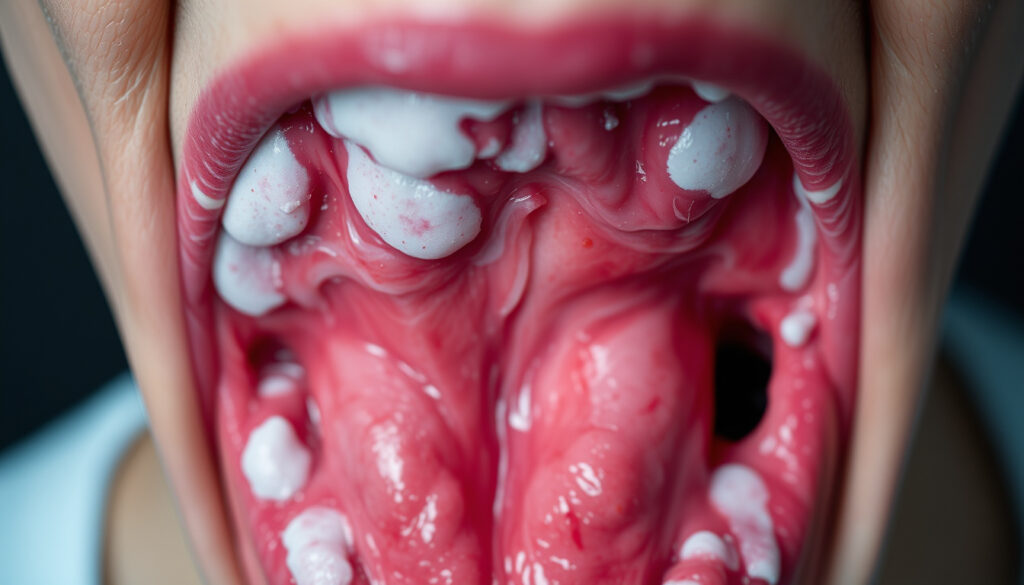
What Does Strep Throat Look Like? Pictures, Symptoms & Signs
If you’ve ever caught a glimpse of someone wincing at a sore throat and wondered whether it was just a virus or something requiring antibiotics, you’re not alone. Strep throat sends roughly 11 million people to doctors’ offices in the United States every year, yet most sore throats turn out to be viral. The visual clues are there—if you know what to look for. Below, you’ll find photo-quality descriptions and symptom breakdowns drawn from CDC and Mayo Clinic guidelines, so you can tell the difference before you pick up the phone.
Key Visual Signs: Red swollen tonsils with white patches or pus streaks ·
Common in Children: Headache, stomach pain, nausea ·
Caused By: Group A Streptococcus bacteria ·
Duration Untreated: Up to 7 days ·
Contagious Period: 24 hours before symptoms to 24 hours after antibiotics
Quick snapshot
- Bright red throat and tonsils with white or yellow pus patches (CDC)
- Petechiae: tiny red spots on the roof of the mouth (Medical News Today)
- Fever often exceeds 101°F (38.3°C) (Ubie Health)
- Exact contagion risk varies by exposure duration and ventilation
- White patches alone don’t confirm strep; lab testing is required
- Rapid antigen test or throat culture at your doctor’s office (NextCare)
- Antibiotics (typically penicillin) reduce symptom duration and prevent spread (Medical News Today)
| Attribute | Details |
|---|---|
| Throat Appearance | Red, swollen tonsils with white streaks or patches |
| Causing Bacteria | Group A Streptococcus |
| Test Required | Rapid strep test or throat culture |
| Treatment | Antibiotics like penicillin |
| Complications if Untreated | Rheumatic fever, kidney inflammation |
Can you visually identify strep throat?
A doctor can often spot the classic signs during a routine throat exam, but visual identification alone is never enough to confirm strep—laboratory testing is required. That said, certain features appear frequently enough that they’re worth knowing.
Red and swollen tonsils
The tonsils take on a noticeably bright red hue, almost inflamed, and they swell visibly compared to a healthy pink appearance. This redness often extends to the surrounding tissues at the back of the throat. According to the CDC, red and swollen tonsils are among the most common presenting signs.
White patches or pus streaks
Distinct white or yellow spots, patches, or streaks of pus coat the tonsils in most strep cases. The Cleveland Clinic describes bright red tonsils with white spots as a strong indication of bacterial infection. This pus is different from the general redness—it’s localized and looks almost like small deposits on the tissue.
Tiny red spots on throat or roof of mouth
Petechiae are tiny red spots that appear on the soft palate (the roof of the mouth) and sometimes the back of the throat. Medical News Today explains that these spots result from tiny capillaries bursting under the skin due to the bacterial infection. The contrast between red, inflamed tissue and white spots is a hallmark that differentiates strep from standard viral sore throat, per Advance ER.
How can I tell if my sore throat is strep?
Not every sore throat is strep, and most aren’t. Medical News Today notes that most people with a sore throat do not have strep throat. Several accompanying features can help you narrow it down.
Strep throat vs viral sore throat
One of the most telling differences is the absence of cough. According to GoHealth Urgent Care, a sore throat without cough or cold symptoms like runny nose, congestion, or sneezing suggests a higher likelihood of strep. Viral sore throats typically come packaged with upper respiratory symptoms; strep throat often does not. The WebMD adds that cough, runny nose, hoarseness, or conjunctivitis (pinkeye) strongly suggest the condition is likely not strep.
Fever and other systemic symptoms
Strep throat typically triggers a fever of 101°F (38.3°C) or higher, according to Ubie Health. This fever tends to come on suddenly and feel more pronounced than the low-grade fevers common with viruses. PlushCare confirms that sudden fever above 100°F is a common symptom. Body aches, headache, and a general sense of malaise often accompany the fever, making the person feel significantly unwell in a short time frame.
Fever and body aches also show up with influenza and other viral infections. The combination with a sore throat and the absence of cough narrows the field, but these symptoms alone aren’t definitive—get tested.
How do you know if it’s strep throat or sore throat?
The question matters because treatment differs: strep requires antibiotics, while most viral sore throats resolve on their own with rest and hydration. A side-by-side comparison makes the distinction clearer.
| Feature | Strep Throat | Viral Sore Throat |
|---|---|---|
| Throat appearance | Bright red with white/yellow pus patches or streaks | Pink to mild red, no pus patches |
| Palate spots (petechiae) | Often present (tiny red spots on roof of mouth) | Rare |
| Cough | Typically absent | Often present |
| Fever | 101°F (38.3°C) or higher, sudden onset | Mild to moderate, if at all |
| Swollen lymph nodes | Tender, palpable lumps in neck | Mild swelling |
| Runny nose/congestion | Absent | Common |
| Skin rash | Possible (scarlet fever) | Not associated |
The Cleveland Clinic confirms that white patches on the tonsils are a hallmark of strep and are largely absent in most viral sore throats. Lane Regional Medical Center adds that symptoms associated with strep are typically more severe than those found with a cold.
Taking antibiotics for a viral infection won’t help and may cause resistance problems down the line. Conversely, leaving strep untreated for too long risks rheumatic fever or kidney inflammation, per the CDC. Getting the diagnosis right matters.
Symptom checklist
Before calling your doctor, run through this quick checklist based on CDC guidance: Do you have a sore throat without a cough? Are your tonsils red and swollen with visible white patches or pus? Is your fever 101°F or higher? Are your neck lymph nodes tender when you press on them? If three or more of these apply, schedule a rapid strep test—don’t wait.
What could be mistaken for strep throat?
Several conditions share strep throat’s symptoms but require different management. Knowing what mimics strep helps you avoid a misdiagnosis.
Tonsillitis
Tonsillitis—whether viral or bacterial—causes red, swollen tonsils that may develop white patches, making it look similar to strep at first glance. The Lane Regional Medical Center notes that tonsillitis may be caused by either viral or bacterial infection, and only laboratory testing can tell them apart. Bad breath and a hoarse voice can accompany tonsillitis as well, which adds to the confusion.
Mono or other infections
Infectious mononucleosis (mono) caused by the Epstein-Barr virus produces severe sore throat, swollen tonsils with white patches, fever, and fatigue—features that overlap heavily with strep. Medical News Today reports that strep can also lead to skin conditions like impetigo (scabs or sores), while scarlet fever produces a rough, sandpaper-like rash alongside the sore throat. A healthcare provider can differentiate these conditions through physical exam findings and blood tests.
White spots alone don’t confirm strep throat. Ubie Health cautions that other infections and non-infectious conditions can appear similar. Viral pharyngitis mimics strep but lacks the characteristic pus, per Medical News Today. Don’t self-diagnose—see a clinician.
What are 5 symptoms of strep throat?
The CDC lists five primary symptoms that together paint a clearer picture of strep throat. Not every case presents all five, but most include several.
- Sudden, severe sore throat with pain when swallowing
- Fever of 101°F (38.3°C) or higher
- Red tonsils with exudate (white patches or streaks of pus)
- Swollen lymph nodes in the front of the neck that feel tender
- Headache and sometimes body aches
In adults vs kids
Adults typically experience the core five symptoms. Children, however, often show additional signs. According to Advance ER, nausea, vomiting, and headaches are more prevalent in children with strep throat. Cleveland Clinic confirms that belly pain is especially common in children. A fine rash on the neck and chest, indicating scarlet fever, can also accompany strep in younger patients, per PlushCare.
Early stage appearance
In the first day or two, the throat may look only mildly red before the classic white patches develop. The FastMed notes that a swollen uvula may have white or yellow patches on it as the infection progresses. The incubation period—2 to 5 days after exposure—means you won’t see symptoms immediately, according to the CDC. Early on, the fever and malaise may be more noticeable than the throat appearance itself.
What we know — and what we don’t
Confirmed facts
- Visual identification alone is not definitive; a rapid strep test or throat culture is required to confirm diagnosis, per the CDC
- White exudate on tonsils is common in strep but not exclusive to it
- Group A Streptococcus spreads via airborne droplets from coughing or sneezing
- Antibiotics reduce symptom duration, contagious period, and risk of complications
What’s unclear
- Exact contagion rate varies based on room ventilation, exposure duration, and individual immune response
- The degree to which environmental factors (humidity, air conditioning) influence symptom severity remains understudied
What doctors say
Swelling, redness, and white patches are common symptoms of strep throat, but a lab test is needed to confirm the diagnosis.
— CDC (U.S. Centers for Disease Control and Prevention)
Red and swollen tonsils that sometimes have white patches of pus are characteristic of strep throat.
Strep throat symptoms include sore throat and fever. A sudden sore throat without coughing or sneezing indicates a good chance of strep throat.
For anyone wondering whether their sore throat warrants a doctor’s visit, the answer hinges on two things: the visual signs described above and a simple test. Red, swollen tonsils with white patches plus a fever over 101°F and tender neck lymph nodes make a strong case. But without that lab confirmation, you’re guessing—and guessing wrong means either unnecessary antibiotics or a missed infection that could lead to rheumatic fever.
Related reading: What Does Heartburn Feel Like · Signs of Low Blood Sugar
Red swollen tonsils dotted with white pus patches set strep throat apart from viral infections, as clearly shown in visual guide to signs.
Frequently asked questions
Does strep throat go away on its own?
Symptoms can persist up to 7 days without treatment, according to CDC guidance. However, untreated strep can lead to serious complications including rheumatic fever and kidney inflammation. Antibiotics typically shorten the illness to 3–5 days and reduce contagiousness within 24 hours of starting treatment.
Is strep throat 100% contagious?
Strep throat spreads easily through airborne droplets from coughing, sneezing, or close contact. A person is typically contagious from 24 hours before symptoms appear until about 24 hours after starting antibiotics, per Medical News Today. The exact risk of transmission depends on ventilation, exposure duration, and individual immune response.
How long does strep throat last?
With antibiotics, symptoms usually improve within 1–2 days and resolve fully in 3–5 days. Without treatment, the CDC notes that symptoms can persist up to 7 days. Most people feel significantly better within 48 hours of starting a full antibiotic course.
What does strep throat look like in kids?
Children show the same throat signs as adults—red, swollen tonsils with white patches—but often add stomach pain, nausea, vomiting, and loss of appetite, per the Cleveland Clinic. A fine rash on the neck, chest, or trunk may also appear, signaling scarlet fever associated with strep, according to PlushCare.
What does strep throat look like without tonsils?
People who have had a tonsillectomy can still get strep throat. The infection affects the throat tissue directly, causing redness, swelling, and white patches along the back walls and uvula rather than on absent tonsils. The FastMed notes that a swollen uvula may develop white or yellow patches, serving as a visible indicator even in people without tonsils.
What drink kills a sore throat fast?
No drink eliminates strep throat; only antibiotics do. Warm liquids like tea with honey can soothe discomfort temporarily, but they don’t kill the bacteria. Lane Regional Medical Center recommends rest, hydration, and over-the-counter pain relievers alongside prescribed antibiotics.
What does strep throat look like on tongue?
Strep throat primarily affects the throat and tonsils, but some patients develop a gray, furry film on the tongue that gives it a white appearance, per FastMed. This coating is different from the white patches on tonsils and is less specific to strep—it can occur with other infections or dehydration as well.
More related posts
 Paul Williams: The Temptations Singer’s Life and Tragic Death
 You Need a Budget (YNAB) Review: Worth It? Alternatives & Drawbacks
 Did LeBron James Retire? 2026 Update on His NBA Future
 Drea de Matteo Movies and TV Shows: Full List and Career Guide
 70 kg to lbs – Conversion, BMI & Weight Guide | Exactly 154.32 lb
 Gaylord Pacific Resort & Convention Center Chula Vista Guide
 Doc (2025 TV Series): Episodes, Cast, Where to Watch & Season 2