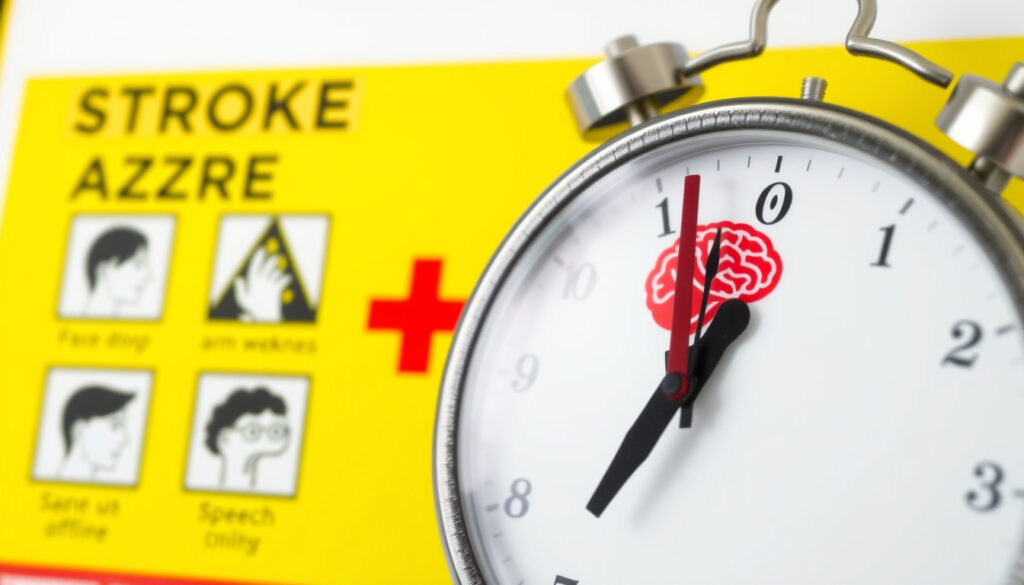
Symptoms of a Stroke: Warning Signs, FAST Test, and 4-Hour Rule
Every 40 seconds someone in the U.S. has a stroke, yet many still can’t name the warning signs. This article covers the FAST acronym, unusual symptoms, mini strokes, and the critical 4-hour window that can save brain tissue.
Stroke incidence: Every 40 seconds, someone in the U.S. has a stroke. ·
Brain cell loss: About 1.9 million neurons die each minute without treatment. ·
Ischemic stroke prevalence: Approximately 87% of all strokes are ischemic. ·
Time window for treatment: The 4-hour window from symptom onset is critical for clot-busting drugs.
Quick snapshot
- FAST (Face, Arm, Speech, Time) identifies most strokes (CDC official guideline)
- tPA within 4.5 hours improves outcomes (Mayo Clinic clinical protocol)
- TIA increases risk of subsequent stroke (Cleveland Clinic medical guidance)
- Exact triggers of TIA are not fully understood (NINDS research summary)
- Why some strokes occur without any warning remains under investigation (American Heart Association advisory)
- 0–3 hours: optimal window for tPA (American Stroke Association)
- 4.5 hours: extended window for eligible patients (Mayo Clinic thrombolysis guidelines)
- Call 911 immediately if any symptom appears (CDC emergency response)
- Advanced treatments like mechanical thrombectomy may be considered beyond 4.5 hours (AHA/ASA treatment protocols)
Three key figures sum up the stroke landscape in the U.S., one pattern: prevention and rapid response are everything.
| Metric | Value | Source |
|---|---|---|
| Annual strokes in the U.S. | About 795,000 | CDC Stroke Statistics |
| Top risk factors | High blood pressure, smoking, diabetes, atrial fibrillation | American Heart Association risk factors |
| Preventability | Approximately 80% of strokes are preventable with lifestyle changes and medical management | American Stroke Association prevention |
What are the 5 warning signs of a stroke?
Sudden numbness or weakness of the face, arm, or leg
- Especially on one side of the body — this is a core warning sign recognized by the CDC (primary public health agency).
- The FAST acronym instructs you to ask the person to smile and check if one side droops (Mayo Clinic neurology department).
Sudden confusion or trouble speaking
- Difficulty understanding speech or slurred speech are listed by the CDC as immediate red flags.
- Ask the person to repeat a simple phrase — if speech is strange, call 911 (American Stroke Association).
Sudden trouble seeing in one or both eyes
- Vision loss or double vision is a lesser-known sign but equally urgent (CDC).
- The BEFAST mnemonic adds “Eyes” to catch this symptom (American Stroke Association BEFAST tool).
Sudden trouble walking, dizziness, loss of balance
- Lack of coordination or sudden vertigo can indicate a stroke in the cerebellum (National Institute of Neurological Disorders).
- This symptom is especially common in women (American Heart Association sex-specific signs).
Sudden severe headache with no known cause
- A thunderclap headache can signal a hemorrhagic stroke (CDC).
- Unlike migraines, this headache is sudden and severe (Cleveland Clinic headache clinic).
The implication: Recognizing these symptoms early is the difference between saving brain tissue and permanent disability.
What does a mini stroke feel like?
A transient ischemic attack (TIA) feels just like a stroke but resolves on its own — often within minutes. That temporary relief is deceptive: it’s a medical emergency that signals a future stroke may be imminent.
Symptoms are temporary and usually last less than 24 hours
- TIAs involve sudden weakness on one side, slurred speech, and loss of balance, but all symptoms disappear within 24 hours — often within 30 minutes (Cleveland Clinic neurology department).
- Because symptoms resolve, many people delay seeking help — a dangerous mistake (American Stroke Association TIA warning).
Common sensations: sudden weakness on one side, slurred speech, dizziness
- Patients often describe it as a “fleeting numbness” or feeling like they can’t control their arm (NINDS patient education).
- Dizziness or loss of balance is a frequent complaint, especially among older adults (CDC).
Mini stroke (TIA) is a medical emergency despite symptom resolution
- The Cleveland Clinic emphasizes that TIA is a warning sign of a future stroke — about 1 in 5 people who have a TIA will have a major stroke within a year.
- Call 911 even if symptoms improve (CDC).
The pattern: The brief nature of a TIA does not reduce its danger — it only deceives patients into inaction.
What are the symptoms of a partial stroke?
Symptoms depend on the part of the brain affected
- A partial stroke involves a smaller area of the brain, leading to more localized deficits — for example, a lacunar stroke in the basal ganglia may cause pure motor weakness (NINDS classification).
- The Mayo Clinic notes that symptoms reflect the specific brain region affected.
Partial stroke may cause weakness or numbness in only one limb or side of body
- A person might not be able to lift their right arm while their leg remains strong (American Heart Association).
- Facial droop may be subtle — only a slight unevenness when smiling (CDC).
Cognitive changes, vision problems, and speech difficulties can occur
- Partial strokes in the temporal lobe can cause memory issues or confusion (American Stroke Association).
- Visual field cuts (missing half of vision) are a classic sign of a partial occipital stroke (NINDS).
What this means: Even mild or one-sided symptoms should never be dismissed — they can still cause permanent damage.
How to test for stroke at home?
The FAST test is designed for a bystander to perform in under 30 seconds. A delayed diagnosis inside the hospital is bad — but the biggest delay is the time it takes for someone to recognize the stroke at home.
The FAST test: Face, Arms, Speech, Time
- Face: Ask the person to smile. Does one side droop? (CDC)
- Arms: Ask them to raise both arms. Does one arm drift downward? (CDC)
- Speech: Ask them to repeat a simple sentence (e.g., “The sky is blue”). Is speech slurred or strange? (CDC)
- Time: If you see any of these signs, call 911 immediately. Note the time symptoms started (CDC).
Additional at-home checks: smile, raise both arms, say a simple phrase
- These three actions form the core of the American Stroke Association’s FAST campaign.
- If the person has trouble with any of them, do not wait for symptoms to worsen — call 911 (Mayo Clinic).
When to call emergency services
- The CDC explicitly advises: “Call 9-1-1 right away. Do not drive to the hospital or let someone else drive.”
- Ambulance personnel can begin treatment en route and alert the hospital stroke team.
Step-by-step home testing protocol
- Stay calm and assess the person’s safety.
- Perform the FAST check: smile, raise arms, say a phrase.
- If any step fails, call 911. Do not give aspirin or food.
- Note the symptom onset time — crucial for treatment eligibility.
The pattern: FAST is simple but only works if you act on it. A negative FAST test doesn’t rule out a stroke, especially if other symptoms like vision loss or vertigo are present.
What is the 4-hour rule for stroke?
The therapeutic window for intravenous thrombolysis (clot-busting drugs)
- Alteplase (tPA) is most effective when given within 3 hours of symptom onset, with an extended window up to 4.5 hours for eligible patients (Mayo Clinic thrombolysis protocol).
- The American Heart Association guidelines state that earlier treatment yields better outcomes.
Why time is critical: brain tissue dies rapidly
- About 1.9 million neurons die per minute during a stroke (American Stroke Association).
- Every 30-minute delay in treatment reduces the chance of a good outcome by approximately 10% (NINDS tPA trial data).
What happens if you arrive beyond 4 hours
- Beyond 4.5 hours, tPA is generally not recommended due to increased bleeding risk (Mayo Clinic).
- Mechanical thrombectomy (clot retrieval) may still be an option up to 24 hours in selected patients with large vessel occlusion (AHA/ASA updated guidelines).
The catch: The clock starts at symptom onset, not at hospital arrival — every minute of delay shrinks the treatment options.
What are the warning signs one month before a stroke?
Subtle symptoms that may precede a major stroke
- Some individuals experience transient ischemic attacks (TIAs) days or weeks before a major stroke (Cleveland Clinic).
- A study found that 23% of stroke patients had a TIA prior to their stroke, often within the preceding week (NINDS research).
Increased frequency of transient ischemic attacks
- Multiple TIAs in a short period — especially if they cluster — signal a high risk of impending stroke (American Heart Association).
- These episodes are often dismissed as “dizziness” or “a funny spell” by patients (American Stroke Association).
Monitoring blood pressure and other risk factors
- Uncontrolled hypertension is the single biggest modifiable risk factor (CDC risk factors).
- If you notice sudden, severe spikes in BP along with any neurological symptom, seek emergency care.
The implication: Acting on these early signs can prevent a full-blown stroke.
Timeline: Stroke treatment windows and TIA resolution
The table below outlines how treatment windows shrink as time passes and why rapid response is critical.
| Time period | Event | Clinical significance |
|---|---|---|
| 0–3 hours | Optimal window for tPA administration | Highest chance of recovery (Mayo Clinic) |
| 3–4.5 hours | Extended window for tPA in eligible patients | Only for those without contraindications (AHA/ASA) |
| Beyond 4.5 hours | Consider mechanical thrombectomy | Up to 24 hours for selected patients (ASA) |
| 24 hours | TIA symptoms typically resolve | But risk of stroke remains high (Cleveland Clinic) |
| Weeks before stroke | Possible TIA warning signs | 23% of strokes preceded by TIA (NINDS) |
The implication: The earlier you act, the more treatment options remain open. Every minute counts.
Confirmed facts
- FAST signs are effective for identifying most strokes (CDC)
- tPA within 4.5 hours improves outcomes (Mayo Clinic)
- TIA increases risk of subsequent stroke (Cleveland Clinic)
What’s unclear
- Exact triggers of TIA are not fully understood (NINDS)
- Why some strokes occur without any warning remains under investigation (AHA/ASA)
Expert perspectives on stroke recognition
“Time lost is brain lost. Calling 911 the moment symptoms appear gives patients the best chance of surviving a stroke and returning to their normal life.”
American Stroke Association (national advocacy and research organization)
“Recognizing the signs of a stroke early — and getting to the hospital quickly — can be the difference between disability and recovery. We encourage everyone to learn the FAST acronym.”
CDC Division for Heart Disease and Stroke Prevention (federal public health authority)
“A TIA is a medical emergency, even if symptoms go away in a few minutes. Don’t let a ‘mini stroke’ fool you into thinking everything is fine.”
Cleveland Clinic (academic medical center neurology department)
For the person at home watching a loved one suddenly collapse, the choice is clear: call 911, or risk permanent disability. Call 911.
Frequently asked questions
Can a stroke happen without warning?
Yes. Many strokes are sudden and occur without any prior symptoms. However, some individuals experience transient ischemic attacks (TIAs) days or weeks beforehand (CDC).
What is the difference between a stroke and a mini stroke?
A mini stroke (TIA) is caused by a temporary blockage of blood flow, and symptoms resolve within 24 hours. A stroke causes permanent brain damage if not treated quickly (Cleveland Clinic).
What should I do if I think someone is having a stroke?
Call 911 immediately. Note the time symptoms started. Do not drive to the hospital. Keep the person calm and lying down if safe (CDC).
Are stroke symptoms different for men and women?
Women may report more subtle symptoms like sudden hiccups, nausea, or general weakness in addition to the classic FAST signs (American Heart Association sex-specific research).
How long do stroke symptoms last?
Stroke symptoms persist until treated and may become permanent. TIA symptoms last less than 24 hours, often only minutes (Cleveland Clinic).
What are the risk factors for stroke?
High blood pressure, smoking, diabetes, atrial fibrillation, high cholesterol, obesity, and physical inactivity are major risk factors (CDC).
Can a stroke be prevented?
Up to 80% of strokes are preventable through managing blood pressure, quitting smoking, healthy diet, exercise, and controlling diabetes (American Stroke Association prevention guidelines).
Related reading
- Signs of Low Blood Sugar: Symptoms, Causes & Treatment — Low blood sugar can mimic stroke symptoms (sudden confusion, dizziness, weakness). Knowing the difference matters.
- What Does Heartburn Feel Like – Symptoms vs Heart Attack — Another emergency where symptom recognition is critical. Understanding chest pain vs. heart attack parallels stroke awareness.
More related posts
 Anime Final Strike Codes – Active List October 2024
 Hulu Customer Service Number – Official Support Contacts
 Pokemon Go Spotlight Hour – 2024 Schedule, Bonuses and Tips
 What Is Ondansetron Used For? Uses, Dosage, Side Effects
 The Angel Next Door Spoils Me Rotten: Season 2 & Parents Guide
 Kareem Abdul-Jabbar: Bio, Stats, Career & What He’s Doing Now
 Flight Attendants Air Canada Strike – Latest Status and Flight Updates
 Planet of the Apes Movies in Order: Complete Franchise Guide